3431 Results Show all
A formal public apology will be made to survivors of abuse in care at Parliament today by the Prime Minister of New Zealand, Christopher Luxon. The Prime Minister will apologise for the failures of the State across many governments, as recommended in the final report of the Royal Commission of Inquiry into Abuse in Care.
The livestream of the public apology event can be accessed here: https://www.abuseinquiryresponse.govt.nz/news/newsletter/the-public-apology/
The Prime Minister will deliver the national apology in the House of Representatives at 11.30am.
Announced today by the Minister of Health, Hon Tony Ryall, and the Minister of Science and Innovation, Hon Dr Wayne Mapp, the HRC and the Ministry of Health have made a joint commitment to co-invest in three new cancer research projects.
“These three projects are particularly significant because they specifically target reducing the incidence and impact of cancer and inequalities with respect to cancer,” says HRC Chief Executive, Dr Robin Olds.
Bowel Cancer:
Each year colorectal cancer (CRC) kills approximately 1,200 New Zealanders – more than breast and prostate cancer combined. Māori are more than twice as likely to die once diagnosed with colorectal cancer than New Zealand Europeans. The incidence and death rates from CRC in New Zealand are amongst the highest in the developed world.
Differences in survival have also been suggested to occur in people living in rural areas of New Zealand. A research team lead by Cancer Trials New Zealand (CTNZ) will conduct the largest and most comprehensive study of patient outcomes from colorectal cancer undertaken in New Zealand to date.
CTNZ Medical Director Professor Michael Findlay said: “New Zealand has amongst the worst outcomes for colorectal cancer in the developed world. If we are going to turn this around, we have to understand what is happening at the individual patient level.”
“Our project will examine patient characteristics, their cancers, the treatment they receive, and their outcomes and we hope this study will be a major step in helping improve the health care we deliver for people with colorectal cancer,” he says.
“This investment by the HRC and Ministry of Health recognises the importance of colorectal cancer in New Zealand and is a major step in the right direction,” he said.
An Internal Examination of Colorectal Cancer Management in New Zealand
Professor Michael Findlay, Auckland UniServices Limited, The University of Auckland
Telephone: (09) 923 2005
35 months, $1,000,000Palliative care:
Within New Zealand, the need has been identified for the delivery of innovative, coordinated, efficient and more effective palliative care for all population groups, and specifically for Māori.
Research into culturally appropriate end of life care for Māori will involve a partnership between the research team at Massey University, Palmerston North, and clinical partners at Arohanui Hospice, the National Liverpool Care Pathway for the Dying Patient (LCP) Office New Zealand, and Te Wakahuia o Manawatu Trust.
The LCP is an internationally adopted, multi-setting, evidence-based, integrated care tool for planning, decision-making, and documenting health care, which is now widely used throughout New Zealand.
“Clinicians around New Zealand have responded enthusiastically to the research, and in fact we have been overwhelmed by stakeholders wishing to participate,” says Dr Maureen Holdaway.
“We look forward to commencing the next phases of the research, working with Māori communities to envision culturally appropriate end of life care. It is great to work on a project where we can see that the knowledge gained can be immediately translated into clinical practice to improve quality of care,” she says.
Culturally appropriate end of life care for Māori
Dr Maureen Holdaway, Massey University, Palmerston North
Telephone: (09) 356 9099 x 2986
36 months, $803,763Prostate Cancer:
Funding has been awarded to Professor Ross Lawrenson, based at the Waikato Clinical School, for research which will study the pathways of care following an abnormal PSA test for prostate cancer. The research team will investigate the complications of screening for prostate cancer, comparing Māori and non-Māori,and estimate the costs of care to individuals and the health service.
“We are thrilled to have been awarded this grant. It has provided a real boost to the Midland Cancer Network, providing a focus for our urological cancer research,” says Professor Lawrenson.
“It also been a wonderful opportunity to involve general practitioners in a study of the cancer pathway and I believe is already demonstrating the value of closer relationships between GPs and specialists.”
“It has also allowed us to engage with Māori providers across the region and provided an opportunity for local Māori staff and researchers to take a leadership role and it has been a fantastic opportunity for intersectorial working that we are sure will provide sustainable benefits for the future,” he says.
The costs and complications of screening for prostate cancer
Professor Ross Lawrenson, Waikato Clinical School, The University of Auckland
Telephone: (07) 839 8750
36 months, $898,500-Ends-
For more information about the research projects, please contact the researchers direct (contact telephone numbers are above).
The University of Auckland’s Professor Cindy Farquhar and her team have received the Health Research Council of New Zealand (HRC) Beaven Medal for their research into the treatment of gynaecological and fertility conditions that has transformed clinical practice worldwide.
The team of New Zealand and international researchers1 were presented with the Beaven Medal for excellence in translational health research at the Royal Society Te Apārangi Research Honours ceremony at Auckland Museum this evening.
HRC Chief Executive Professor Sunny Collings says over the past thirty years Professor Farquhar’s team have led 12 clinical trials into gynaecology and fertility treatments. Many of these trials have changed how women and couples with unexplained infertility are treated and led to less invasive treatments and better health outcomes for women and their families.
As the medical director of Fertility Plus in Auckland and deputy chair of the World Health Organization’s Fertility Guidelines, Professor Farquhar has a keen interest in helping the approximately 1 in 7 couples who experience infertility, and this has been a key driver behind her team’s research, especially in more recent times.
In vitro fertilisation (IVF), a type of fertility treatment where an egg is removed from a woman’s ovaries and fertilised with sperm in a laboratory, was a huge game-changer when it was first introduced 40 years ago. However, Professor Farquhar says the reality is that a woman is “more likely not to get pregnant with an IVF cycle than they are to get pregnant”.
These odds have led to a raft of IVF ‘add-ons’ to try to improve one’s chance of conceiving, such as ‘endometrial scratching’, which involves sampling the tissue lining the womb (endometrium).
“The process of endometrial scratching takes a few minutes and is like having a smear test, but more painful. The action of taking the biopsy sample was thought to result in a ‘scratch’ or ‘injury’ to the lining of the womb, possibly making the womb more receptive to an embryo implanting. Our team knew that most clinics were offering this to their patients, and we wanted to find out if it really helped women to conceive from IVF.”
In 2014, Professor Farquhar, with colleague Dr Sarah Lensen and a large international team began recruiting for a clinical trial looking into this procedure, in which 1364 women from New Zealand, Australia, UK, Sweden and Belgium were randomly allocated to either receive or not receive an endometrial scratch before their IVF cycle.
Their findings, published in the New England Journal of Medicine in 20192, showed no benefit from endometrial scratching: the live birth rate was the same among women who did and didn’t have it (26.1 percent); nor was there any subgroup of women who appeared to benefit, including women with previous IVF failure.
Their recommendation for IVF clinics to stop using endometrial scratching was widely heeded, and the practice is no longer used in countries such as New Zealand, Australia and the UK, with the possible exception of women with recurrent implantation failure.
“We have a responsibility to provide people seeking fertility treatments with robust scientific evidence so that they don’t go down the path of trying every unproven add-on,” says Professor Farquhar.
The team’s research has also led to renewed interest in intrauterine insemination (IUI), where sperm is placed directly into the womb using a small catheter, as a cheaper and less invasive adjunct or possible alternative to IVF.
“In New Zealand, people with unexplained infertility need to have been trying to get pregnant for five years before they can even get on the waiting list for IVF. We wanted to explore if there was a treatment that people could have earlier that was just as good as IVF.”
In 2013, IUI was no longer recommended by guidelines in the UK because of a lack of evidence. However, Professor Farquhar and her team’s clinical trial comparing three cycles of IUI with the ‘just keep trying’ approach showed a three-fold increase in pregnancy with IUI.
The results of this trial, published in the Lancet in 20173, led to the European Society of Human Reproduction and Embryology recommending IUI as a first-line treatment in 2023. This guideline has also been adapted for Australia with the same recommendation.
The team have recently recruited 737 couples in New Zealand for an HRC-funded clinical trial comparing one cycle of IVF with four cycles of IUI for the same group of patients with unexplained infertility. If the pretrial predictions are correct, then Professor Farquhar estimates that about one-third of patients will get pregnant with IUI and won’t have to wait for IVF.
“Increasingly people understand that if you wait until after 35 to try to get pregnant, then you’re limiting your options. Both natural conception and IVF success rates decline after 35. And we can’t afford to be complacent. New Zealand’s fertility rate has been below the replacement level of 2.1 children per woman since 2013 and we had a record low of 1.52 for the year ending March 2024, lower than Australia at 1.784,” says Professor Farquhar.“We need to do more to improve access to fertility treatments both for our patients’ sakes and so that we don’t fall further behind in our fertility rate. Affordable, effective fertility treatments are part of the solution.”
One of the team’s early trials looked at the use of the drug methotrexate to treat ectopic pregnancies5, which is where the fertilised egg grows outside the womb, making it unviable and potentially causing life-threatening complications. This trial and others have led to methotrexate being recommended as part of the clinical guidelines for treating some women with early-stage ectopic pregnancy. In many cases, this treatment can avoid the need for surgery to remove the ectopic and often the fallopian tube.
The team were also successful in leading the development of the New Zealand Guidelines on Heavy Menstrual Bleeding, which supported non-surgical options for treating heavy periods such as the levonorgestrel intrauterine device. Since these changes were made, New Zealand’s rate of hysterectomy surgery to remove a woman’s womb to manage heavy menstrual bleeding has declined from one of the highest rates in the world in the early 1990s, to one of the lowest rates in the OECD6.
Professor Collings says, “Cindy and her team have made it their mission to highlight the importance of having good scientific evidence for clinical decisions in maternity care, gynaecology and sexual reproductive health. Their efforts span the research cycle and focus strongly on leading or assisting in the development of national and international clinical guidelines to get evidence into practice so that patients can ultimately benefit.”1 Professor Cindy Farquhar, New Zealand-based colleagues: Associate Professor Vanessa Jordan, Marian Showell, Helen Nagels, Dr Magda Bofill, Dr Lynn Sadler, Dr Lucy Prentice, Melissa Vercoe, Dr Karyn Anderson.
International collaborators: Dr Sarah Lensen (Australia), Dr Sarah Armstrong (Bristol University, UK), Dr James Duffy (University of London, UK), Professor Ben Mol (Monash University, Australia), Dr Jack Wilkinson and Professor Andy Vail (University of Manchester), Professor Rick Legro (Pennsylvania State College of Medicine, USA), Professor Madelon van Wely (University of Amsterdam, Netherlands).
2 A randomized trial of endometrial scratching before In Vitro Fertilization
3 Intrauterine insemination with ovarian stimulation versus expectant management for unexplained infertility (TUI): a pragmatic, open-label, randomised, controlled, two-centre trial - ScienceDirect
4 Births and deaths: Year ended March 2024 | Stats NZ5 An economic evaluation of single dose systemic methotrexate and laparoscopic surgery for the treatment of unruptured ectopic pregnancy - ScienceDirect
6 obgyn.onlinelibrary.wiley.com/doi/10.1111/ajo.13478
“Do what you say you’re going to do and work with integrity.”
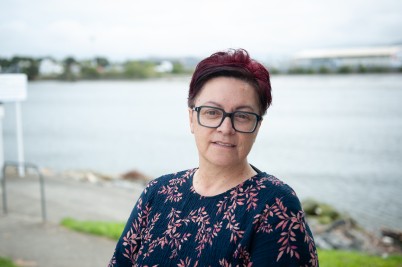
This, says Cheryl Davies, is what guides her research with Māori communities.
Cheryl (Ngāti Raukawa, Ngāti Wehiwehi, Ngāti Mutunga ki Te Wharekauri) heads Tu Kotahi Māori Asthma and Research Trust1 – the first Māori asthma society in New Zealand – which is based at Kōkiri Marae in Lower Hutt.
Originally established by Cheryl in 1995 to provide asthma education and advocacy services to whānau in the wider Wellington region, Tu Kotahi soon branched out into health research, going from helping recruit Māori for studies at the University of Otago, Wellington, to participating in all areas of the research process.
And now, Cheryl has been awarded the Health Research Council of New Zealand (HRC) Te Tohu Rapuora Medal at tonight’s Royal Society Te Apārangi Research Honours ceremony, in Wellington, for making a tangible difference to improving health outcomes.
“It’s often a big thing for whānau to let you come into their homes and communities to undertake research,” says Cheryl. “I spent a lot of my time with whānau in those early years allaying their fears about research and building the trust and credibility of Tu Kotahi and Kōkiri Marae as researchers coming into their communities.”
Cheryl says Dr Lis Ellison-Loschmann (Flax Analytics) and Teresea Olsen, general manager of Kōkiri Marae, have been two of her greatest mentors. With their support, she says she has been privileged to work on studies with Te Rōpū Rangahau Hauora a Eru Pōmare, He Kāinga Oranga/Housing and Health Research Programme, the Cancer and Chronic Conditions (C3) research group, and others at the University of Otago, Wellington, that have made a significant difference to health outcomes and highlighted successful health pathways.
Cheryl’s journey into research began in the 1990s following the release of the Māori Asthma Review by Professor Eru Pōmare, which recommended substantial improvements in asthma management and education, with significant involvement of Māori. Her work with Bernadette Jones’ team on the HRC-funded Pukapuka Hauora (Healthy Lungs) Asthma Study revealed important insights into how whānau managed tamariki with asthma, with those findings guiding how to work with whānau.
Cheryl says she soon came to realise through the community services provided by Tu Kotahi and Kōkiri Marae that housing had a huge impact on the ability of whānau to manage their asthma and respiratory conditions. Early research with Distinguished Professor Philippa Howden-Chapman on the benefits of insulation and heating contributed to the establishment of the Warmer Kiwi Homes Programme, and subsidised heat pumps in homes.
Seeing the positive impact that insulated homes and heating had on the whānau she worked alongside inspired Cheryl to continue to expand Tu Kotahi’s research.
Cheryl went on to lead the development of a self-management programme for Māori living with chronic obstructive pulmonary disease, which provided routine health checks for the whole whānau. She also led a research project ‘Tamariki Manawa Ngāwari – Children breathing easily’, which created an asthma toolkit for use in 29 kōhanga reo throughout the Hutt Valley, Upper Hutt, Wellington and Porirua regions, along with support for parents seeking regular input from health providers on managing their child’s asthma.
Tu Kotahi’s involvement in Oranga Waha, an oral health research priorities project, led to several initiatives to support community access to dental services such as the development of payment plans, oral health packs for kōhanga reo, and referrals to low-cost dentists associated with their primary health organisation.
More recently, Cheryl has undertaken research on chronic pain with Dr Hemakumar Devan. This research has directly led to the establishment of a marae-based pain clinic at Kōkiri Marae, the first in New Zealand, and the delivery of a six-week programme to help support whānau to manage their pain rather than rely on opioids. This work has contributed to the national model of care for people living with chronic pain (Mamaenga Roa) and is cited as an exemplar case study for community-led solutions to pain management.
Cheryl believes Tu Kotahi’s success in the research space largely comes down to her team knowing their communities and always having a whānau ora focus.
“I’m mindful when we do our research that we can offer support services to whānau if needed. For example, we might go into someone’s home because they have a child with asthma, but once we get there, we can see that their home’s damp and that the whānau need some kai. We know that we can help address a lot of these issues through the wrap-around support of Kōkiri Marae and the other services within our whānau ora collective.”
HRC Chief Executive Professor Sunny Collings says Cheryl and Tu Kotahi’s research has led to tangible health gains through the delivery of effective and timely health services.
“Cheryl has consistently shown commitment to ensuring that the research is highly responsive to the health needs and aspirations of local communities and that whānau benefit directly. The findings of her research are then directly incorporated into services, alongside the more traditional pathways to policy impact, which has proved to be a highly effective way of supporting improved health outcomes for communities with high health needs,” says Professor Collings.
1 Tu Kotahi is part of Kōkiri Marae Hauora, an urban pan-tribal health and social services provider, and a founding member of Tākiri Mai Te Ata Whānau Ora Collective.
This event will discuss critical global health challenges, including health equity, sustainability, and inclusivity, and fostering global collaborations and innovations in public health.
The World Federation of Public Health Associations (WFPHA) is an international, non-governmental organisation composed of about 140 multidisciplinary national public health associations and other organisations involved in public health, and representing over 5 million public health professionals worldwide.
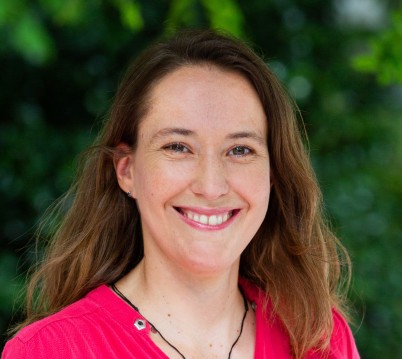
Here we profile research led by Dr Julie Choisne from the Auckland Bioengineering Institute that is helping to bring computational modelling into clinical practice.
Childhood conditions such as developmental hip abnormalities, cerebral palsy and slipped capital femoral epiphysis (a hip condition that occurs in teens and pre-teens who are still growing) can lead to complex hip and knee deformities. Due to the variability in paediatric conditions, outcomes of surgical interventions are variable, making it difficult to quantify the effectiveness of individual treatments or know which are most effective for which child.
To help solve this problem, Dr Julie Choisne from the Auckland Bioengineering Institute used funding from an HRC Emerging Researcher First Grant to obtain more than 330 CT scans of children aged from 4 to 18 years and manually segment the bones in the lower extremity. From here, Dr Choisne and her team created the world’s first 3D bone growth chart of the pelvis, femur and tibia/fibula for children aged 4 to 18 years old.
This new tool can serve as a reference to understand and compare bone measurements in children with atypical bone development. These measurements are freely available on an opensource database accessible to the clinical and research community.
Dr Choisne’s team have also created a world-first computer model that can accurately predict a child’s skeleton based on their age, sex, height and mass. This model can be used worldwide and is now being implemented in all gait clinics in Australia and New Zealand for use on children with movement disorders.
“This model will reduce processing times for 3D gait analysis by automatically computing each child's joint range of motion and moments during gait. Moreover, we can now create a database of gait analysis that can train AI models to help physiotherapists, orthopaedic surgeons, orthotists etc in their assessment and treatment decision-making,” says Dr Choisne.
Three students were awarded HRC Ethics Summer Studentships in 2023. The purpose of these studentships is to enable a student to train during the summer break with a research team and explore ethical issues that face New Zealand. Click on the study titles below to read summaries of the students' research findings.
Student: Emma Hutchinson
Project title: Equity in palliative care distribution: A pandemic perspective
This report delves into the intersectionality of equity, palliative care, and the COVID-19 pandemic response in New Zealand. Motivated by personal experiences during the pandemic, particularly the loss of a family member receiving palliative care, the author embarked on an investigation to understand the distribution of palliative care before and during the pandemic.Student: Joey Mackle
Project title: Should genetic testing for gastric cancer risk be restricted by age?
Hereditary diffuse gastric cancer (HDGC) is an inherited cancer syndrome that is caused by mutations in CDH1 or CTNNA1 genes. In New Zealand, HDGC disproportionately affects Māori, with three times greater incidence and mortality rates in Māori than non-Māori. The primary aim of this research project was to respond to concerns raised by Māori whānau and academics about their inability to test their children for mutations in CDH1 or CTNNA1 genes by investigating the justification for age restrictions on genetic testing in New Zealand.Student: Sascha Vesty
Project title: Conscientious objection to providing assisted dying services: A scoping review
The enactment of the End-of-Life Choice Act 2019 (EOLCA) in Aotearoa New Zealand has encouraged significant discourse and practice shifts in end-of-life care, particularly regarding assisted dying. This research report investigates current literature on conscientious objection within the context of assisted dying, with a particular focus on the perspectives and experiences of healthcare professionals.Read the full issue of the latest HRC Ethics Notes here.
The Public Health Summer School offers 19 short symposia and courses (mainly one-day) to those working in or researching health in New Zealand.
Topics in the 2025 programme include:
Syndemics: Reducing harmful cycles of infectious and chronic disease in New Zealand (11 February, online)
The science of syndemics describes the way diseases cluster in individuals and populations. This course will introduce key concepts, summarise current evidence, and show what a syndemics approach has to offer in building solutions to some of NZ’s most complex health issues.The Smokefree Aotearoa 2025 goal: How can we get there now? (12 February, online)
New Zealand has a Smokefree Aotearoa 2025 goal. Come and learn about factors affecting inequities and our ability to meet this goal.Māori wellbeing: Hauora and housing (18 February)
Developing and managing housing and urban environments that enable and support Māori wellbeing is of critical importance. Explore Māori wellbeing through the lens of a new development guide based on a Whakawhanaungatanga Māori wellbeing model. This hands-on course includes practical workshops and short case study presentations examining concepts embedded in the model and guide.A cancer strategy for Aotearoa 2030: What should be prioritised and why? (20 February, online)
Help to build a cancer strategy for Aotearoa 2030. Consider what actions in cancer prevention and care should be prioritised and why. Learn from leading national and international thinkers and community leaders.For more information and to register, visit otago.ac.nz/uowsummerschool.
The 2025 New Zealand Pain Society Conference has a vital role in bringing together both local and international practitioners in the pain arena. Join us and help us connect and come together to enhance our collective ability to understand and manage pain.
For:
- doctors - anaesthesia, palliative care, rehabilitation medicine, musculoskeletal medicine, psychiatry, neurosurgery
- nurses - specialist pain management, other specialities
- medical and surgical specialists
- general practitioners
- allied health - physiotherapists, psychologists, nurses, occupational therapists, social workers, osteopaths, dentists
- others with interest in pain management.
See the conference website, www.nzps25.nz, for more information.
Investment in the development of the future health research workforce is an important activity for the Health Research Council of New Zealand (HRC). The HRC builds research capacity through our Career Development Awards and the support of emerging researchers on HRC-funded contracts. Our Career Development Awards, Māori Health Research Awards and Pacific Health Research Awards provide essential support for students through to Postgraduate training and Postdoctoral Fellowships.
“The HRC is committed to investment in the development of the future health research workforce, and addressing the challenge of keeping future health research leaders in careers in New Zealand is an essential part of that,” says HRC Chief Executive, Dr Robin Olds.
“Our Career Development Awards support health research-related awards ranging from Summer Studentships, to advanced Postdoctoral Fellowships. These include Māori and Pacific health research awards, which are aimed at fostering and developing the emerging Māori and Pacific health research workforce in New Zealand,” he says.
Three emerging health research leaders have been awarded Sir Charles Hercus Health Research Fellowships by the HRC. The Fellowships, worth up to $0.5M over four years, will assist the researchers to complete advanced postdoctoral health research in scientific fields that have the potential to contribute to both the health and economic goals for the Government’s investment in science and innovation.
Dr David Baddeley from The University of Auckland will investigate the nanostructure and organisation of cellular signalling domains. The tight spatial organisation of proteins within signalling domains such as the cardiac dyad or neuronal synapse is critical to correct and efficient function. This organisation occurs on a scale of a few 10s of nanometres, until recently the exclusive domain of electron microscopy. Newly developed optical super-resolution techniques now allow these domains to be investigated with unprecedented contrast, specificity and throughput. In his project Dr Baddeley will aim to use super-resolution microscopy to investigate the nanostructure of these domains. This will provide basic structural information underlying the functional properties of these domains as well as identifying morphological changes linked to disease.
Cardiac rehabilitation, a programme of education about risk factors, medication, and lifestyle change, is as an essential part of the care of people who have had a heart attack. Despite the benefits of cardiac rehabilitation, too few people who would benefit from it are using it.
Associate Professor Ralph Maddison from Auckland UniServices Limited has received close to $500K for an innovative mHealth research programme, which involves the development and evaluation of mobile phone intervention to modify lifestyle factors (exercise, diet, smoking and adherence to medication) in people with heart disease. A series of projects will develop specific behaviour change information and support packages, which will be delivered via mobile phones. This research has the potential to improve delivery of cardiac rehabilitation and thereby improve outcomes for people with heart disease.
Breast cancer is the most common cancer in women yet for most women the genetic changes underlying their disease remain undetermined or poorly understood. The multi-disciplinary research by Dr Logan Walker from the University of Otago, Christchurch aims to address this clinically important issue by exploiting strong local clinical linkages and international collaborations to implement advanced breast cancer genomics research within New Zealand. Specifically, his study aims to determine the clinical and biological impact of 1) DNA sequence variants in known breast cancer susceptibility genes, and 2) DNA copy number variants across the genome, in breast cancer development. Dr Logan’s research will make significant contributions to an exciting and important research area that is developing at a rapid pace, with the ultimate goal of translating new discoveries into clinical care.
The Māori term ‘matakite’ refers to an experience of unusual perception that is subject to misdiagnosis as mental illness. Mr Ronald Ngata from the University of Waikato received an Erihapeti Rehu-Murchie Research Fellowship for a project which will explore how matakite understandings are being applied by mental health professionals working in Kaupapa Māori health providers around the country. Guided by Kaupapa Māori principles and methods, the aim of the research is to produce a document identifying elements of best-practice in the application of matakite understandings by health providers. This project will contribute to an area of research of increasing importance internationally, but one that is still relatively unexplored in Aotearoa New Zealand, i.e. the practical relationship between spirituality and health. It will also give Dr Ngata an opportunity to develop his skills towards a career in Māori and indigenous health research.
Ms Glenis Mark from Whakauae Research Services received an Eru Pomare Research Fellowship and will undertake a qualitative research project, which aims to explore Māori consumers’ perspectives on health, their experiences of rongoa (traditional medicines and practice) Māori and/or primary health services and their views on integration between rongoa Māori and primary health care. Two groups of Māori consumers: one who use rongoa in addition to primary health treatment; and one who use primary health treatment only, will be interviewed. This research aims to contribute to knowledge on how Māori beliefs on health and illness contribute to health treatment choice, and how their health treatment experiences reveal ways to improve the interface between rongoa and primary health services from the perspective of the Māori consumer.
Eight health researchers have received Clinical Research Training Fellowships, which provide an opportunity for medical, dental and allied health professionals to undertake a PhD or equivalent qualification.
The full list of 2012 HRC Career Development Award recipients are listed below:
Sir Charles Hercus Health Research Fellowships
Dr David Baddeley, The University of Auckland
The nanostructure and organisation of cellular signalling domains
4 years, $500,000
Associate Professor Ralph Maddison, Auckland UniServices Limited
Preventing cardiovascular disease in New Zealand: An mHealth approach
4 years, $500,000
Dr Logan Walker, University of Otago, Christchurch
Genetic variation and breast cancer development
4 years, $500,000
Clinical Research Training Fellowships
Dr Paul Chin, University of Otago, Christchurch
Determining drug clearance for clinically applicable dosing individualisation
2 years, $166,667
Dr Amanda D'Souza, University of Otago, Wellington
Healthy public policy for children in New Zealand: Overcoming the obstacles
4 years, $250,000
Dr Hye-won Han, The University of Auckland
Pharmacological determinants of oxaliplatin neurotoxicity in cancer patients
3 year, $250,000
Dr Daniel Lemanu, The University of Auckland
The Role of Community-Based Prehabilitation in Bariatric Surgery
2 years, $166,667
Dr Janine Pilcher, Victoria University of Wellington
High concentration oxygen and hypercapnia in respiratory disease
3 years, $250,000
Dr Rakesh Premkumar, The University of Auckland
Delineating the pro-inflammatory state of obesity on severe acute illness
2 years, $166,667
Dr Deborah Williamson, The University of Auckland
Molecular analysis of Staphylococcus aureus skin and soft tissue infections
3 years, $250,000
Dr Nichola Wilson, The University of Auckland
What are 'real world' outcomes after surgery for children with cerebral palsy?
3 years, $200,000
Māori Health Career Development Awards
Erihapeti Rehu-Murchie Research Fellowships in Māori Health
Mr Ronald Ngata, University of Waikato
Exploring practical applications of Matakite (unusual perception) understandings in health provision
$339,407
Ms Kirsten Smiler, Victoria University of Wellington
Ka puāwa ngā kōhungahunga turi: The early development of Māorideaf children
$330,734
Eru Pomare Research Fellowship
Ms Glenis Mark, Whakauae Research Services
Huarahi rongoā ki a ngai tātou: Māori views on rongoā (traditional medicines and practice) Māori and primary health
$333,273
Māori Health Research Postdoctoral Fellowship
Dr Isaac Warbrick, Massey University, Palmerston North
The optimal mode of exercise for preventing diabetes in Māori men
$335,538
PhD Scholarships in Māori Health Research
Ms Maria Baker, Massey University, Wellington
A Māori centred grounded theory study of Māori with mental illness
$85,050
Mr Andre McLachlan, Te Atawahi o Te Ao/University of Otago
Collaboration with and for rural Māori with addiction and related problems
$80,278
Miss Jodi Porter, Ngaitai Iwi Authority/Massey University
Ngaitai wellbeing indicators: Measuring iwi health outcomes
$110,050
Masters Scholarship in Māori Health Research
Mrs Isabel Tui Edwards, AUT University
Optimising Māori women’s breastfeeding
$17,600
Māori Health Rangahau Hauora Awards
Mrs Josephine Church, The Cardiac Clinic, Tauranga
A Kaupapa Māori approach to cardiac risk reduction
$12,000
Miss Jaqueline Lumsden, Massey University, Palmerston North
Best outcomes for Māori with cancer
$11,970
Pacific Health Research Career Development Awards
Pacific Health PhD Scholarship
Miss Alana McCambridge, The University of Auckland
Improving upper-limb impairment after stroke with novel brain stimulation
$105,230
Pacific Health Masters Scholarships
Ms Rochelle Newport, The University of Auckland
Going local: Impact of sustainable development policies on health in Rarotonga
$18,253
Ms Jacqueline Schmidt-Busby, The University of Auckland
Diabetes: Impact on work, income and finances in Samoan families
$18,253