3432 Results Show all
This document outlines the process for approval of trials involving gene and other biotechnology therapies.
This document outlines the approval steps and guidelines for clinical trials involving xenotransplantation in humans.
These guidelines will support researchers in describing how their proposed research contributes to Māori health advancement.
This document outlines the Committee's scope and responsibilities.
This Statement of Performance Expectations sets out the HRC’s operating intentions for the upcoming financial year, including our key performance indicators and targets, and our financial statements.
The annual report is a description of our financial and service performance over the past financial year, ending 30 June. The reports are prepared pursuant to the requirements of clause 38 of the Health Research Council Act 1990 and clause 150 of the Crown Entities Act 2004.
The HRC has introduced a new Māori Health Advancement criterion as part of its assessment process. These guidelines will support health researchers in describing how their proposed research contributes to Māori health advancement.
As part of our assessment process, the Health Research Council now scores a research proposal’s potential to advance Māori health.
Play the videos below to see Helen Moewaka-Barnes and other prominent researchers discuss the HRC's Māori Health Advancement initiative. For more information, read our Māori Health Advancement Guidelines for help in planning for, and contributing to, Māori health advancement. You can also read some general feedback given to health delivery research applicants about Māori health advancement.
Professor Cristin Print is with the Department of Molecular Medicine and Pathology at The University of Auckland, working in the fields of genomics and cancer research. His team have made a commitment to working towards Māori health advancement and have been immensely grateful and humbled by the generosity of Māori colleagues, ranging from translating part of their website into Māori, to leading research tikanga and pulling them back when they have fallen short. Here he shares his views on the new Māori health advancement criteria introduced by the HRC.
Professor Helen Moewaka Barnes (Te Kapotai, Ngapuhi-nui-tonu) is director of Whāriki and co-director of the SHORE and Whariki Research Centre. She is a multidisciplinary social scientist with particular expertise in Māori health and developing research within Māori paradigms. In this video, she explains the significance of the Māori health advancement criterion.
Sir Richard Faull, Distinguished Professor of Anatomy and Director of the Centre for Brain Research at the University of Auckland, is a renowned neuroscientist specialising in human neurodegenerative diseases. Here he explains how his research has been responsive to Māori and the benefits that have resulted from working closely with Māori.
Half the New Zealanders being treated for blood pressure don’t have it under control, according to a University of Auckland researcher who has been awarded nearly $5 million from the Health Research Council of New Zealand (HRC) to look at the problem from a completely different angle.
Professor Julian Paton says we urgently need a new way to control high blood pressure – a condition affecting one-third of adult New Zealanders and disproportionately more Māori and Pacific people.
His study is one of five research programmes funded as part of the HRC’s $81 million investment in new research projects and programmes announced today by Minister Megan Woods.
Professor Paton says despite the armoury of medications currently available, treated patients still remain at elevated risk of cardiovascular events such as stroke, heart attacks and blood-clotting.
The poor control rate reflects treatment resistance, drug intolerance and poor patient compliance due to the unpleasant side-effects of some medications. But it’s also due to current medications treating the symptoms, and not what Paton believes is a primary cause of high blood pressure.
“None of the frontline pills affect the activity that’s generated from the brain that goes to the heart and blood vessels” – an area that’s become a focal point for researchers in recent years.
Professor Paton says activity in the nerves to the heart and blood vessels – known as the sympathetic nerves – is substantially increased in people with high blood pressure.
“We know that their activity is raging – much higher than it should be – and we believe this is causing much of the squeezing down on the blood vessels, causing blood pressure to rise.”
Professor Paton’s research team believes controlling sympathetic activity is the key to controlling blood pressure, and the best way to do that could be by targeting a sensory organ that’s the size of a rice grain at the top of the neck, called the carotid body.
Dysfunctional activity in the carotid body has been found to activate the sympathetic nerves which in turn squeezes blood pressure up. But what exactly causes this abnormal activity will be the focus of Professor Paton’s research over the next five years.
Initial testing will be in rats and sheep to first establish the mechanisms involved and to decipher if a new drug candidate could switch off the problematic signals. Patients recruited from specialist clinics will also be tested to see if excessive carotid body activity causes severe levels of blood pressure.
By the end of this programme, researchers will know whether the carotid body is over-active in patients with high blood pressure – a critical first step before testing any new treatment on humans.
The Health Research Council’s acting chief executive, Dr Vernon Choy, says this research programme gives New Zealand a unique opportunity to identify the root cause of a problem affecting a billion people worldwide, and could pave the way for new treatments to be developed.
“High blood pressure is the biggest risk factor for cardiovascular disease – the leading cause of death globally – and it’s clear we don’t yet know everything about controlling it. This is research that could save lives, improve the quality of life in people with high blood pressure, and dramatically reduce hospital admissions.”
See below for the full list of 2019 HRC Programme grant recipients. To read lay summaries of these Programmes, go to www.hrc.govt.nz/funding-opportunities/recipients and filter for ‘Researcher Initiated Proposals’, ‘Programmes’ and ‘2019’.
2019 Programme grants – full list
Professor Jane Harding, The University of Auckland
Assessing the impact of maternal and perinatal interventions on life-long health
60 months, $4,971,164Professor Janet Hoek, University of Otago
Whakahā o Te Pā Harakeke
60 months, $4,949,736Professor Helen Moewaka Barnes, Massey University
Tangata Whenua Tangata Ora: Investigating health gain through whenua initiatives
60 months, $4,999,332Professor Julian Paton, The University of Auckland
Aberrant purinergic afferent signalling in cardiovascular disease
60 months, $4,928,392Professor Valery Feigin, Auckland University of Technology
Measuring the incidence and outcomes of stroke and TIA in NZ
60 months, $1,200,000 (partial funding).They dominate the baby food section in supermarkets, but could baby food pouches be setting our babies up for future problems with obesity and dental cavities?
Squeezable baby food pouches with plastic spouts are described as a mess-free and easy food alternative for babies ‘on-the-go’, and they now have an extraordinary market share in New Zealand – a 2018 audit of one of New Zealand’s largest supermarket chains indicates that these pouches make up 70 per cent of baby foods available. However, despite their apparent widespread use, there has been virtually no published research done either in New Zealand or internationally on the possible impacts of these pouches on babies’ diets or health.
Associate Professor Anne-Louise Heath from the University of Otago has received a Project grant from the Health Research Council of New Zealand (HRC) to explore what babies are eating in New Zealand once they move from an exclusively milk diet to solid food.
This ‘First Foods NZ’ study will observe 625 babies aged between eight and nine months from Auckland and Dunedin, measuring their nutrient intake, particularly iron levels, and assess the impact of baby food pouches on babies’ growth and dental health.
“The food in baby food pouches is similar to that found in baby food jars and cans, but their delivery method has the potential to markedly change infant nutrition,” says Associate Professor Heath.
“Anecdotal reports suggest babies are often consuming the food straight from the pouch, unsupervised. These super smooth foods are very easy for babies to eat. A 120g pouch is the equivalent of about 22 teaspoons of food. It can take a lot of time to spoon-feed a baby that amount, whereas to squeeze out that amount from a pouch is much easier. We want to find out if pouches result in babies overeating because they’re so easy to eat, and if they are displacing more nutrient-rich foods such as breastmilk from the diet.”
The research team will also track the babies to see if the sweet and acidic foods commonly found in baby food pouches – even some vegetable-based varieties – are causing problems for babies’ erupting teeth.
“Manufacturers in New Zealand are generally super cautious about not adding sugar to baby foods, but natural fruit sugar is still sugar. When these baby foods are consumed by sucking on a pouch, the teeth are bathed in fruit sugars, and probably much more so than if they were to eat whole fruit or to be spoon-fed. This could increase the risk of tooth decay.”
A recent small randomised controlled trial1 suggests that even by seven months of age, 12 percent of New Zealand babies may already be consuming more than the World Health Organisation recommendation of less than five percent of energy intake from free sugars, including fruit purees.
“If you’re only giving your baby a pouch every now and again it will probably make no difference to your baby’s health, whereas if it’s a regular thing it may have risks – or it may have benefits, such as upping your baby’s fruit and vegetable intake. We have to keep an open mind with our research as we don’t know which way it will go.”
As part of the First Foods NZ study, Associate Professor Heath and co-principal investigator Professor Rachael Taylor will also assess the nutrition, health and safety impacts of another method of feeding that’s growing in popularity in New Zealand: baby-led weaning. This technique involves giving babies finger foods to feed themselves from about six months on, instead of parents spoon-feeding them pureed food and slowly progressing to more textured food as the Ministry of Health currently recommends.
Proponents of baby-led weaning see it as a healthier, more convenient, and less stressful way of feeding babies, however some health professionals have raised concerns about the potential increased risk of iron deficiency, slower weight gain, and choking.
HRC acting chief executive Dr Vernon Choy says all parents want to know what the safest and best way is to feed their babies.
“There is so little research on baby food pouches or baby-led weaning that the Ministry of Health is currently unable to advise parents on their use. This puts health professionals in a difficult position because they are forced to form an educated opinion based on little-to-no evidence. They then have to decide if they’re going to share that opinion or leave parents to perhaps seek out other sources like social media for advice,” says Dr Choy.
“This research will provide some much-needed evidence to help the Ministry of Health update their advice to Plunket and other Well-Child providers on whether, and how, parents should use these relatively new methods of baby feeding.”
The HRC has awarded $60.3 million in funding for 53 research projects, including Pacific health and Rangahau Maori projects. These grants form part of the HRC’s $81 million investment in new research projects and programmes announced today by Minister Megan Woods.
See below for the full list of 2019 HRC Project and Pacific Project grant recipients. To read lay summaries of these Projects, go to www.hrc.govt.nz/funding-opportunities/recipients and filter for ‘Researcher Initiated Proposals’, ‘Projects’ and ‘2019’.
1 Williams Erickson L, Taylor R, Haszard J, Fleming E, Daniels L, Morison B, Leong C, Fangupo L, Wheeler B, Taylor B, Te Morenga L, McLean R, Heath A. Impact of a modified version of Baby Led Weaning on infant food and nutrient intakes: the BLISS randomized controlled trial. Nutrients 2018;10:740.
2019 Project grants – full list
Dr Philip Adamson, University of Otago
Duration of Dual Antiplatelet Therapy in Acute Coronary Syndrome (DUAL-ACS)
48 months, $1,549,999Professor Richard Beasley, Medical Research Institute of New Zealand
Two RCTs of salbutamol therapy in exacerbations of asthma in adults
36 months, $578,713Dr Peter Bergin, Auckland District Health Board
International case-control study of Sudden Unexpected Death in Epilepsy
48 months, $1,190,647Professor David Bilkey, University of Otago
A novel biomarker for preclinical drug development in schizophrenia
24 months, $489,282Professor Steven Dakin, The University of Auckland
Measuring visual field loss in glaucoma using involuntary eye movements
36 months, $1,184,344Professor Nicola Dalbeth, The University of Auckland
Transitions to Gout Research (TIGER) study
36 months, $1,196,151Dr Martin de Bock, University of Otago
Automated insulin delivery for Type 1 diabetes utilising open source technology
36 months, $1,317,623Professor Sarah Derrett, University of Otago
Prospective Outcomes of Injury Study: 10 years on (POIS-10)
36 months, $1,188,041Professor Robert Doughty, The University of Auckland
Biomarker-guided secondary prevention post-acute coronary syndromes: An RCT
36 months, $1,596,636Professor Jeroen Douwes, Massey University
Biodiversity and microbiota: a novel pathway to allergy and asthma prevention
48 months, $1,199,961Professor Michelle Glass, University of Otago
Characterisation of synthetic cannabinoid signalling bias and toxicity
36 months, $1,172,581Associate Professor Simon Hales, University of Otago
Climate change, extreme rainfall events and enteric disease outbreaks
36 months, $1,190,579Professor Bob Hancox, University of Otago
A Randomised Controlled Trial of beta-blockers in COPD
60 months, $1,439,384Associate Professor Michael Hay, The University of Auckland
Doubling down on DNA-PK: Radiosensitisers for head & neck cancer
36 months, $1,199,999Associate Professor Anne-Louise Heath, University of Otago
Novel methods of infant feeding in New Zealand – cause for concern or optimism?
36 months, $1,185,359Professor Janet Hoek, University of Otago
Developing optimal strategies to support smoking cessation among RYO users
36 months, $1,195,934Associate Professor Julia Horsfield, University of Otago
A novel genetic mechanism in Acute Myeloid Leukaemia
36 months, $1,177,919Associate Professor Stephanie Hughes, University of Otago
Dissecting the role of glial lysosome function in neurodegeneration
36 months, $1,199,417Dr Karl Iremonger, University of Otago
A neural circuit to suppress stress in motherhood
36 months, $1,167,222Dr Anne-Marie Jackson, University of Otago
Tangaroa Ara Rau: Māori water safety programme for whānau
36 months, $1,192,263Dr Stephen Jamieson, The University of Auckland
Precision treatment of head and neck cancer with evofosfamide
36 months, $1,199,967Mrs Bernadette Jones, University of Otago
Te Ao Mārama: Disability perspectives of tāngata whaikaha Māori
36 months, $1,186,338Professor Andrew Jull, The University of Auckland
Exercise or hypochlorous acid for venous leg ulcer healing: Factorial4VLU trial
36 months, $1,402,941Professor Kurt Krause, University of Otago
New drugs for the post-antibiotic era by targeting glutamate racemase
36 months, $1,199,914Professor Beverley Lawton, Victoria University of Wellington Whānau Manaaki:
Methamphetamines- a strength-based community approach
36 months, $ 1,187,031Dr Alex Macmillan, University of Otago
Health and equity impacts of Te Ara Mua Future Streets
30 months, $1,185,793Associate Professor Sandra Mandic, University of Otago
Built Environment and Active Transport to School: BEATS natural experiment
36 months, $1,197,487Dr Shay McGuinness, Medical Research Institute of New Zealand
BLING III - Phase III RCT of continuous β-lactam infusion in the critically ill
60 months, $1,195,807Professor Mark McKeage, The University of Auckland
Do concomitant medicines impede safe and effective lung cancer treatment in NZ?
36 months, $1,194,776Professor Dr Neil McNaughton, University of Otago
Do hippocampus, insula and amygdala contribute to an anxiety syndrome biomarker?
36 months, $ 1,090,630Dr Kimberley Mellor, The University of Auckland
Glycotoxicity in the diabetic heart – novel treatment targets
36 months, $1,148,222Professor Tony Merriman, University of Otago
Addressing clinical questions in gout using genetic data
36 months, $1,198,120Associate Professor Brian Monk, University of Otago
Readying next-generation antifungals for drug development
36 months, $1,199,967Dr Garry Nixon, University of Otago
A rural-urban classification for NZ health research and policy
30 months, $ 943,443Professor Gail Pacheco, Auckland University of Technology
Ethnic differences in the uptake of healthcare services: A microanalysis
36 months, $ 1,088,386Professor Dr Suetonia Palmer, University of Otago
Serum phosphate to improve outcomes for dialysis patients: The PHOSPHATE trial
60 months, $ 1,266,603Professor Dr Suetonia Palmer, University of Otago
Teaching to improve health outcomes for peritoneal dialysis: The TEACH-PD trial
60 months, $ 1,439,326Associate Professor Rachael Parke, Medical Research Institute of New Zealand
Targeted therapeutic mild hypercapnia after resuscitated cardiac arrest
48 months, $1,199,994Professor Emily Parker, Victoria University of Wellington
Tackling antimicrobial resistance
36 months, $1,180,238Dr Anna Pilbrow, University of Otago
A precision medicine approach to improving heart disease outcomes
36 months, $1,193,680Professor John Reynolds, University of Otago
Manipulating rewards to treat maladaptive brain disorders: focus on tinnitus
36 months, $1,192,994Professor Nicola Starkey, University of Waikato
Patterns of recovery from concussion in children and adolescents
36 months, $1,197,414Professor Rachael Taylor, University of Otago
Does a brief sleep intervention in infancy have long-term health benefits?
36 months, $1,190,308Dr Martin Than, Canterbury District Health Board
ICare-FASTER Improving care by FAster risk-STratification in the EmeRgency dept.
36 months, $1,152,385Dr James Ussher, University of Otago
The role of microbial viability in regulating MAIT cell activation
36 months, $1,191,634Professor Mark Vickers, The University of Auckland
Circulating miRNAs in maternal blood as biomarkers for preterm birth
36 months, $ 1,142,110Associate Professor Logan Walker, University of Otago
Impact of germline copy number variation on endometrial cancer risk
36 months, $1,145,197Dr Emma Wyeth, University of Otago
POIS-10 Māori: Outcomes and experiences in the decade following injury
36 months, $1,191,067Dr Paul Young, Medical Research Institute of New Zealand
Targeted Early Activity and Mobilisation in the ICU (the TEAM study)
48 months, $ 1,011,2472019 Pacific Project grants – full list
Dr Allamanda Faatoese, University of Otago
Environmental effects on cardiometabolic biomarkers in Pacific peoples
36 months, $ 594,804Professor Steven Ratuva, University of Canterbury
Enrichment of community health through targeted social protection strategies
36 months, $588,534Dr Gerhard Sundborn, The University of Auckland
Understanding scabies prevalence to improve the health of Pasifika/Māori kids
36 months, $594,346Dr Jemaima Tiatia-Seath, The University of Auckland
Climate change and mental wellbeing: The impacts on Pacific peoples
36 months, $589,691New Zealand could become a potential relocation destination for many Pacific peoples displaced from their homelands by rising sea levels and other climate-change related natural disasters.
Dr Jemaima Tiatia-Seath, co-head of the School of Māori Studies and Pacific Studies at the University of Auckland, has received a Pacific Project grant from the Health Research Council of New Zealand (HRC) to explore how New Zealand could ready its health system to best support the mental health needs of Pacific ‘climate change migrants’. Her study will involve research sites in New Zealand, Niue and the Cook Islands.
“Very few people in the Pacific region will be unaffected by climate change, particularly as half the population live within 1.5 kilometers of the ocean. Rapid rises in sea level, more severe cyclones and floods, and changes to seasonal weather are all occurring in the Pacific and are attributed to climate change,” says Dr Tiatia-Seath.
“Migration is an indirect impact of climate change. One estimate is that 75 million people from the Asia-Pacific region will be forced to migrate by 2050 because of it. Much of the health research done to date has largely focused on the physical health problems associated with climate change – the mental health impacts have only recently been recognised.”
Dr Tiatia-Seath says Pacific peoples forced to relocate will likely be at higher risk of negative mental health challenges due to the cultural loss and stress of climate-induced migration.
“An understanding of this issue in New Zealand’s mental health sector is vital. Mental health services will need to cater to Pacific climate change migrants in culturally-inclusive ways and recognise the new challenges that migration and forced relocation will bring to the already visible barriers to mental health access for Pacific peoples.”
HRC manager of Pacific research investment, Tolotea Lanumata, says this study is very timely as the New Zealand Government has made looking at the impacts of climate change a priority.
“Climate change is predicted to have a substantial negative effect on global mental health. This study gives New Zealand the chance to get on the front-foot and prepare our health system for the mental health challenges that climate change will likely have on Pacific communities,” says Ms Lanumata.
The HRC has awarded funding for four Pacific project grants worth a combined total of $2.37 million. These grants form part of the HRC’s $81 million investment in new research projects and programmes announced today by Minister Megan Woods.
Pacific Project grants support research that contributes to better health outcomes for Pacific peoples, families and communities. For a full list of the recipients, see below. To view lay summaries of these projects, go to www.hrc.govt.nz/funding-opportunities/recipients and filter for ‘Researcher initiated proposals’, ‘Projects’, ‘2019’.
2019 Pacific Project grants – full list
Dr Allamanda Faatoese, University of Otago
Environmental effects on cardiometabolic biomarkers in Pacific peoples
36 months, $594,804Professor Steven Ratuva, University of Canterbury
Enrichment of community health through targeted social protection strategies
36 months, $588,534Dr Gerhard Sundborn, The University of Auckland
Understanding scabies prevalence to improve the health of Pasifika/Māori kids
36 months, $594,346Dr Jemaima Tiatia-Seath, The University of Auckland
Climate change and mental wellbeing: The impacts on Pacific peoples
36 months, $589,691We are continuing to roll out changes to the prospective assessment of research impact that will apply at the Expression of Interest and full application stages for our 2020 HRC Programme and Project funding rounds.
The changes we made to the research impact criterion in our 2019 funding rounds for Programmes and Projects in the Health and Wellbeing in New Zealand and the Improving Outcomes for Acute and Chronic Conditions research investment streams (RIS), will now extend across all RIS. Specific details on what these changes will look like for the Rangahau Hauora Māori research investment stream were circulated in our May announcement.
The research impact criterion centres around two sections: (1) a description of how the applicants’ research might be used and the anticipated benefits for New Zealand; and (2) an action plan to maximise the use and benefits of research.
Applicants are encouraged to respond to these sections relative to their specific research context. We advise you to reference your line-of-sight to eventual impact, but focus the discussion on what is realistically achievable within your sphere of influence. Keep it relevant and keep it credible.
It is critical for the HRC to show benefit to New Zealand from our investment. It is a key expectation from the Government and strengthens our case for increased investment in health research. By asking applicants from all disciplines to think about potential impact from the planning stages of their research, they may be better placed to create and respond to opportunities to maximise the potential for impact during the research process. This is one way we aim to increase the collective benefits and impacts from the portfolio of research that we fund.
A new HRC research impact slideshow video provides more details about these refinements, including the HRC's definition of research impact and the 'pathway to impact' model that guides our work at both the assessment of prospective impact stage and the evaluation of impact stage. The science sector in New Zealand and health research funders globally are also exploring and addressing these complex issues.
The Waitangi Tribunal recently released the results from stage one of its inquiry into Māori grievances relating to health services and outcomes of national significance. Stage one's hearings ran from October to December 2018 and focused on aspects of primary health care, which includes services provided in the community by general practitioners, nurses, pharmacists, counsellors, dentists and others.
The report addresses claims concerning the way the primary health care system in New Zealand has been legislated, administered, funded and monitored by the Crown since the passing of the New Zealand Public Health and Disability Act 2000, and explores whether the persistent inequitable health outcomes of Māori are indicators of a breach of the Treaty of Waitangi.
Some of the key findings include:
- The policy framework that administers the primary health care sector fails to consistently state a commitment to achieving equity of health outcomes for Māori.
- Māori primary health organisations have been underfunded from the outset, and ongoing resourcing is a significant issue.
- The funding arrangements for the primary health care system disadvantage primary health organisations and providers that predominately serve high-needs populations, particularly Māori primary health organisations and providers.
- Despite the significant, persisting inequities that Māori experience, Māori health outcomes are not systematically separately measured and reported on.
- The primary health care framework does not recognise and properly provide for tino rangatiratanga and mana motuhake of hauora Māori.
The report makes a number of recommendations to address its findings and, while the focus is on health care and inequity rather than health research per se, it has important implications for the health research sector when it comes to how research is carried out and addressing health research gaps and priorities for Māori.
Stage two of the inquiry will cover three priority areas encompassing mental health (including suicide and self-harm), Māori with disabilities, and issues of alcohol, tobacco, and substance abuse. You can find further information about this on the Waitangi Tribunal website.
With the support of our research committees, over the last two years the Health Research Council has undertaken significant work revising our consideration of Māori responsiveness in the assessment of research proposals. This is to help ensure that health research in New Zealand is realising all opportunities to address Māori health inequities. We will be releasing further details of these changes shortly, along with guidelines to support health researchers to consider how their proposed research may contribute to Māori health advancement. These changes will be communicated to the health research community through multiple channels, including via our e-newsletter Update, our website, and discussions with research offices and research institutions.
Today we farewell our chief executive, Professor Kath McPherson, who has dedicated nearly five years to the Health Research Council, inspiring the team with her guidance and leadership through a time of significant change for health research.
A true champion for the sector and an advocate for HRC values, Kath has our wholehearted gratitude for all she's contributed to our organisation and how we work. Below are some words from her in signing off...
I can’t believe it’s nearly five years since I was appointed as chief executive at the HRC, and more than four years since senior colleagues from the Ministry of Health and Ministry of Business, Innovation and Employment visited our office to announce the strategic refresh. A lot has changed in the health research sector over these years. I am grateful for your support, collegiality, contributions to our processes, feedback on our system, and even for the regular challenges that have come my way – many of those have produced great discussions, and some have changed how we work. Thank you.
I’ve written a piece in the NZMJ Digest about a few important changes at the HRC that I know have pleased some and concerned others. One thing I know for sure is that in all we do, the HRC staff and Council are focused on supporting the very best health research for New Zealand and ensuring appropriate investment to do so. We are not there yet, but I think we have a stronger and more secure health research system. I wish you all well in your own contributions to advancing the health of our people and our country.
Ngā mihi nui koutou katoa.
Almost 20 per cent of hospital admissions of young children with acute respiratory infections could be prevented if their houses were free from damp and mould, researchers have found.
The HRC-funded research, published in the international medical journal Thorax today, is the largest ever case-control study of the association between housing quality and hospital admissions for young children with acute respiratory infections.
Lead author, Dr Tristram Ingham, a Senior Research Fellow at the University of Otago, Wellington, says reducing exposure to poor quality housing could cut the number of hospital admissions for under-twos by 1,700 (19 per cent) a year.
In 2015, 9,003 under-two-year-olds were hospitalised in Wellington for acute respiratory infections out of an estimated population of 118,580, a rate per population of 7.6 per cent.
“If all housing was free from damp and mould, the country could save just under $8 million a year solely in hospital costs,” Dr Ingham says.
“Improving housing quality to prevent such hospitalisations is also highly desirable in terms of future costs, with poor housing quality in childhood associated with adverse health outcomes in adulthood.”
The researchers conducted the case-control study in two paediatric wards and five general practice clinics in Wellington during winter and spring seasons between 2011 and 2013. The quality of housing was assessed using the Respiratory Hazard Index (RHI), a 13-point scale of household quality factors including an eight-item damp/mould subscale.
The researchers studied 188 children who were admitted to hospital with acute respiratory infections and 454 control patients – those who saw their GP either with a respiratory illness which did not require hospitalisation or for a routine immunisation.
The children who became ill had significantly higher levels of dampness and mould in their homes, which could be addressed by a number of measures, including better heating, insulation and ventilation.
The research was part of a wider HRC-funded Whiti Te Rā Case-Control Study which examines the broader risk factors for hospitalisation for acute respiratory infection using a kaupapa Māori research framework.
Acute respiratory infections are a major cause of early childhood illness, and account for 50 per cent of consultations general practitioners have with children under five. Upper respiratory tract infections are the most common, but acute respiratory infections also include lower respiratory tract infections, such as bronchitis and bronchopneumonia.
News article courtesy of the University of Otago, Wellington
Breast Cancer Cure, Breast Cancer Foundation NZ, and the Health Research Council are pleased to announce that funding has been offered to the following recipients through the Breast Cancer Research in New Zealand partnership. This call for applications was about supporting high-quality and innovative research into breast cancer in New Zealand to improve quality of life and, ultimately, ensure survival from the disease.
2019 Breast Cancer Research in New Zealand partnership recipients:
Dr Gavin Harris, Canterbury District Health Board
Using deep learning and digital pathology to intrinsically subtype breast cancer
24 months, $249,650Dr Annette Lasham, The University of Auckland
Validation of a liquid biopsy to predict recurrence in NZ breast cancer patients
18 months, $244,095Barbara Lipert, The University of Auckland
Validation of predictive biomarkers for T-DM1 activity in HER2+ breast cancer
24 months, $195,571Dr Logan Walker, University of Otago
Analysis of full-length transcripts for variant classification in breast cancer
24 months, $186,149
(Funded fully by Breast Cancer Cure)New evidence from a large New Zealand vaping study suggests that hundreds of thousands more smokers worldwide could successfully quit the killer habit if they used nicotine-containing e-cigarettes (vapes) – illegal in a number of countries – together with nicotine patches.
Nicotine patches and other forms of nicotine replacement therapy (NRT), such as nicotine gum and nicotine lozenges, are medically approved and widely used to help smokers quit by quelling their nicotine craving. NRT roughly doubles a person’s chances of stopping smoking compared with a placebo, and using two forms together is more effective than using one. In contrast, currently marketed nicotine containing e-cigarettes are not medicines – they are consumer products that offer a convenient, effective and safer way of replacing nicotine that would otherwise be obtained by smoking.
The new study is the first ever to test the effectiveness and safety of using nicotine e-cigarettes with nicotine patches as combination NRT.
Explains lead investigator, University of Auckland Associate Professor Natalie Walker, “Nicotine is what makes people want cigarettes, but it’s the tar and around 4000 other harmful chemicals in tobacco smoke that cause cancer, heart disease, lung problems and other smoking-related illnesses. It’s those other chemicals, not the nicotine, which kill up to two out of every three smokers.”
In New Zealand, around one in eight (13 percent) adults aged 15 years and over smoke tobacco every day (NZ Health Survey 2017/8). Rates are much higher among people living in the most deprived areas (23.2 percent), young adults (18.9 percent for 25-34 year olds), indigenous Māori (35 percent for Māori women, 27 percent for Māori men) and Pacific Island peoples (20 percent).
This compares with only 2.6 percent of adult New Zealanders vaping every day.
The study, published in a top medical journal, The Lancet Respiratory Medicine, was a randomised clinical trial, the gold standard in scientific research. The 1124 participants – adults from all over New Zealand who were motivated to quit smoking – were randomly split into three groups: nicotine patches only, patches plus nicotine-free e-cigarettes, and patches plus an e-cigarette with 18mg of nicotine. Participants were advised to start using their study products two weeks before their quit date, and continue for a further 12 weeks. They were also offered six weeks of phone-based behavioural support.
People who used patches plus nicotine e-cigarettes were the more likely to have gone without smoking for six months following the treatment, than those who used patches plus nicotine-free e-cigarettes (seven percent vs four percent based on the most conservative analysis undertaken, ranging up to 17 percent vs 10 percent for the least conservative analysis).
“That may not sound like much of an effect, but it adds up,” says Dr Walker, a clinical trialist at the University-based National Institute of Health Innovation (NIHI). “If we promoted using patches with a nicotine e-cigarette in New Zealand, where about 512,000 people smoke regularly, we would support 15,000 to 36,000 more people to become smokefree compared to using patches with a nicotine-free e-cigarette, and potentially 24,000 to 50,000 more people than if patches only were used.
“That’s a lot of people whose lives could be changed for the better – along with the health of their families and communities – simply by promoting the combination treatment,” says Dr Walker.
Findings also showed that side effects of all treatments were uncommon and decreased with time, with no treatment-related serious adverse effects, and that participants preferred using e-cigarettes alone or with patches, to using patches alone.
Four other clinical trials – including one by the same research team published in 2013 – have already shown that nicotine e-cigarettes significantly increase six-month quit rates compared to using nicotine-free e-cigarettes and to using approved forms of NRT.
Study co-investigator, University of Auckland Professor Chris Bullen, says that although using e-cigarettes combined with patches does not work for everyone, the new findings demonstrate they should be offered as one of the many smoking cessation aids available.
“People using e-cigarettes should be encouraged to fully switch away from tobacco to e-cigarettes, with the aim of eventually also stopping vaping (if possible), given the lack of any long-term safety data for these devices.”
Co-investigator Dr George Laking (Te Whakatōhea), a medical oncologist at the University, says “Almost 500, or 40 percent of participants were Māori, making it the largest randomised trial in the world of e-cigarette use involving indigenous people. Moreover, eight in every 10 Māori participants were women. The trial has shown the feasibility of combining nicotine e-cigarettes with patches for Māori who seek to quit smoking.”
Researchers from the University, NIHI, and the University of Canterbury conducted the study from 2016-2018. The e-cigarettes used in the study were purchased from NZVAPOR. Funding came from the Health Research Council of New Zealand.
We will shortly be inviting Māori health researchers to register their interest in an upcoming workshop in indigenous health being run under the umbrella of the trilateral agreement between The Canadian Institutes of Health Research, the National Health and Medical Research Council of Australia, and the HRC. The workshop, which will be held in Auckland on 2 to 4 December 2019, will focus on international indigenous health research capacity and capability building/strengthening.
The HRC will cover the travel and accommodation of selected participants to attend the workshop. This opportunity will be open to Māori researchers working in either academia or a community setting, and from new and emerging researchers through to those at a senior level. Keep an eye out in our e-newsletter Update and our website for the call for expressions of interest.
Today we are happy to announce the recipients of our 2019 Ngā Kanohi Kitea Full Project grants. These community grants provide an opportunity for iwi, hapū and community groups to investigate a well-defined area of Māori health need or gain.
Dr Lily George, Waikare Marae Trustees
Ngā waka hauora: Community development through creating vehicles of wellbeing
18 months, $199,220
Lay summary:
The Te Kapotai people of Waikare (Tai Tokerau) have a history of cultural decimation and deliberate resource depletion resulting in an intergenerational and cumulative trail of trauma that has trickled down the generations, resulting in the negative situations too many of our whānau live within today. In recent years Te Kapotai has experienced a resurgence of cultural pride with the restoration of their history through the Treaty claims process, with a rekindling of attachment to whakapapa, whenua, hapū/iwi, and tangata. Nevertheless, many challenges remain, such as suicidal ideation and selfharming; under-employment and lower levels of educational achievement; substance abuse; domestic violence, and so on. Community cohesion is at a pivotal point however, with the opportunity to work together in identifying health and wellbeing aspirations of Te Kapotai, and then to create solutions – ‘ngā waka oranga/vehicles of wellbeing’ – for the Waikare community and Te Kapotai people elsewhere.Mrs Victoria Thorn, Kaikaiāwaro Charitable Trust
Ngati Kuia He Maunga Pakohe Rautaki Hauora
18 months, $200,000
Lay summary:
Ngāti Kuia Te Iwi Pakohe is seeking to undertake research that will enable us to develop a significant piece of work focussing on an overarching Hauora Strategy, He Maunga Pakohe Rautaki Hauora. Guided by our Strategic Plan a major part of this vision has always been about advocating and supporting our whānau to achieve their goals and aspirations in life, and this focus runs across all our pou; Ngāti Kuiatanga, Te Tangata, Te Taiao, Te Putea. This pou represent multilayered ways of considering wellbeing, including cultural, social, human, environmental and economic contributions. We know that in seeking answers as to how we improve and enhance the health of our people we need to begin with the knowledge within our whānau, hapū and iwi. The answers we are seeking, therefore, require having real conversations that are underpinned by Kaupapa Māori approaches, in particular, the methodology of Pūrākau.Dr Jillian Tipene, Te Puawai Tapu Trust
Te kaha o te rangatahi: Young Māori women's access to LARC in Counties Manukau
18 months, $198,778
Lay summary:
This study identifies health system barriers and facilitators that young Māori women living in a region of high deprivation face when accessing contraception, particularly long-acting reversible contraception (LARC). Community identified unmet contraception need in Counties Manukau is associated with an array of policies and practices that result in young Māori women experiencing inequitable reproductive health outcomes. The study utilises a Kaupapa Māori approach that locates Māori understandings of reproductive health as normal and health systems as potential sites of change. Findings from literature and interviews with young Māori women, primary health providers, funders, and policymakers will address a gap in current research. Collaborations formed through the research process will provide a platform for LARC-related policy and practice that supports young Māori women's good reproductive health and equitable outcomes.In the 31 May and 27 June issues of our e-newsletter, Update, we provided information about important changes that we have made for those applying for the HRC's 2020 Project funding. If you missed it, we outlined how the New Zealand Health Delivery (NZHD) investment stream (normally a component of the Project funding round) will be delayed and run out of cycle to the other investment streams. We delayed the release of this component to redesign how we invest in and assess health delivery research proposals, and we are still working towards opening our new-look NZHD funding near the end of 2019.
What's going to be the focus of the HRC's new health delivery research investment?
The existing New Zealand Health Delivery signals in our Research Investment Streams document will still be broadly relevant. However, we're looking at changing the mechanisms and processes through which we invest so that we can enable more health delivery research to happen in the settings where it's needed most.Evidence collated through consultation on the New Zealand Health Research Strategy and the Prioritisation Framework (Action 1) has given us a lot of information about the barriers, gaps and opportunities for health delivery research in New Zealand. The consultation also highlighted a lot of the strengths to be retained. We are now taking these insights to design a more comprehensive and fit-for-purpose investment opportunity that more effectively engages health delivery providers, addresses gaps, and further builds capacity and capability. We’re also working with the Ministry of Health and the Ministry of Business, Innovation and Employment to ensure good connection and alignment across the system.
As such, our revised investment in this area will aim to:
- maintain support for the excellent research already happening in health delivery settings
- reduce health inequities
- embed a quality research and innovation culture in the health sector
- identify and respond to New Zealand's evidence needs
- support and grow the capacity and capability of the research workforce in health delivery settings
- enable and orientate established health research expertise to further meet New Zealand's evidence needs
- improve translation and uptake of research findings in policy and practice
What will be the end benefits?
Embedding a quality research and innovation culture within the health sector will help to address some of the current and future health challenges New Zealand is facing, ensuring that knowledge needs are identified by those directly involved in providing care. This will help health researchers, health professionals and patients. We aim to support the excellent research already happening in health delivery settings while equally enabling new research pathways, from establishing the evidence need, meeting the need through to translation of findings.It is likely that the proposed changes will be phased in over two-to-three years. We'll keep you regularly updated via Update and will ensure that you have sufficient time to apply. In the meantime, we do encourage you to continue to build and strengthen your health delivery partnerships and understanding of health sector needs.
These documents outline some key research investment streams and the purpose of each.
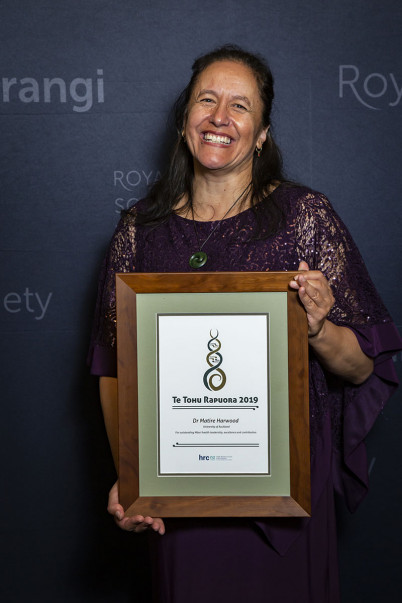
Despite being a doctor in a busy general practice in South Auckland and an inspirational leader, teacher and mentor in hauora Māori, Dr Matire Harwood has still found the time to excel in a clinical research career that has improved Māori health in key areas such as asthma, stroke, heart disease and diabetes.
For her outstanding leadership and contribution to Māori health, Dr Harwood (Ngāpuhi) was tonight awarded the Health Research Council of New Zealand (HRC) Te Tohu Rapuora Award at the Royal Society Te Apārangi Honours ceremony.
Dr Harwood works at the Department of General Practice and Primary Healthcare at the University of Auckland’s Medical School, where she teaches and mentors 270-plus future doctors to practice in clinically and culturally safe ways. She is also a general practitioner at Papakura Marae Health Clinic, where 98 per cent of patients are considered ‘high need’. While juggling these roles, she has become renowned for her work developing and testing community interventions for long-term conditions to improve Māori health outcomes and achieve equity.
Retaining her GP position in Papakura has greatly benefited her research, says Dr Harwood.
“I gave up general practice when I had kids, but I’ve been back now for six years and it definitely helps me to see why interventions to improve health outcomes are not reaching our Māori and Pacific communities. I can see the research in practice and spot when it’s not going to be translatable to the real world,” says Dr Harwood.
Dr Harwood was part of the New Zealand team that researched the effectiveness of a combination inhaler containing both preventative and reliever medication (known as the SMART regime) to treat Māori with asthma. Their findings, which were published in the Lancet Respiratory Medicine, showed the SMART regime significantly improved Māori asthma outcomes and led to PHARMAC funding the new medication. She also spearheaded the recruitment of Māori for a large clinical trial into the use of a polypill-based therapy to reduce health inequities in heart disease, which is yielding positive results.
“It’s so important that Māori are involved in clinical trials, not just because we know that people who participate in trials do better, but because we need to show that any health intervention that we develop works for Māori and is not unintentionally increasing any inequities that exist,” says Dr Harwood.
She was also instrumental in developing and testing a self-directed rehabilitation programme for Māori and Pacific peoples who have had a stroke. The success of this programme led to changes in national treatment guidelines and good practice following a stroke.
Currently, Dr Harwood is leading a $2.4 million pilot project involving 400 patients to improve outcomes for whānau with poorly controlled diabetes. The HRC-funded ‘Mana Tū’ project deploys clinicians called kaimanaaki in general practices across Auckland and Northland. Their key role is to support whānau to take charge of living with their long-term condition. Interim results indicate significant positive changes for those people enrolled in the project. As a result, district health boards and the Ministry of Health are looking to scale this intervention across other geographic locations and long-term conditions.
HRC Acting Chief Executive Dr Vernon Choy says Dr Harwood’s sustained contribution to Māori health and engagement with Māori communities and district health boards through the many facets of her work made her a standout candidate for the Te Tohu Rapuora Award.
“Matire served as an extremely valuable member of the HRC Board from 2009 to 2017, and she continues to do all that she can to support Māori health research and capacity development through her many leadership roles, including as a board member of the Expert Advisory Group of the New Zealand Health Research Strategy, Medical Research Institute of New Zealand and Waitematā District Health Board.”
“She is one of the HRC’s most successful research grant awardees in Māori health and has more than 60 peer-reviewed publications. Her editorship of the bi-monthly newsletter Māori Health Research Review, which now has over 5,100 subscribers, is also helping health professionals better understand how to apply clinical data to their practice to ultimately improve Māori health outcomes.”
While eliminating Māori health inequities is a major challenge for New Zealand’s health system, Dr Harwood believes there is good reason to be hopeful of change.
“In the past, Māori health researchers had to often battle against closed doors – perhaps even locked doors – advocating for Māori health. I do feel like the door is a bit more open now and that people are more receptive to understanding the importance of why we do the work we do and of the rights as Māori to be part of the solution,” says Dr Harwood.
His research helped halt an epidemic of asthma deaths in New Zealand and has gone on to change the way the world manages asthma, saving hundreds of thousands of lives in the process.
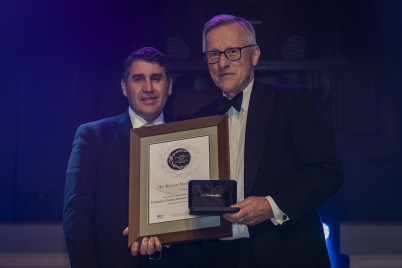
World-renowned asthma researcher Professor Richard Beasley has tonight been awarded the Health Research Council of New Zealand (HRC) Beaven Medal at the Royal Society Te Apārangi Honours event for the huge impact he has had on treating and managing asthma.
Professor Beasley, who founded and directs the Medical Research Institute of New Zealand (MRINZ) in Wellington, began his research career as an HRC research fellow in the United Kingdom some 40 years ago. It was around this time in the 1970s and 1980s that New Zealand experienced a huge spike in asthma-related deaths, with deaths increasing threefold over three years.
Using data from a government-appointed asthma taskforce, Professor Beasley and his team discovered that the only medication associated with asthma deaths was a drug called fenoterol. Findings from their study led to the withdrawal of fenoterol from New Zealand, resulting in asthma-related deaths falling by two-thirds in the space of just 12 months. The pharmaceutical company that produced fenoterol also withdrew the drug or halved its dose in other countries, saving hundreds of thousands of lives.
Now that asthma drugs were safer, Professor Beasley and his team turned their attention to changing how preventative inhaled steroids were used to manage asthma. They worked closely with a Māori community in the Wairarapa to develop a new system whereby patients could use simple asthma assessment and management guidelines printed on a ‘credit card’ to self-manage their own treatment under the guidance of a doctor. The system proved so effective that it has become a standard treatment practice for patients both nationally and internationally.
“As a team, we felt incredibly fortunate to be on the spot to develop a broad research programme that was able to not only get the drug fenoterol withdrawn, which reduced asthma deaths, but also to lead to a paradigm shift in how asthma is treated and managed,” says Professor Beasley.
In another highly influential study, Professor Beasley discovered that the preservatives used in nebuliser solutions to treat asthma paradoxically induced asthma. Almost overnight pharmaceutical companies withdrew the bottles used to draw out the nebuliser solution and replaced them with vials containing only one treatment per dose, eliminating the need for preservatives.
Most recently, Professor Beasley’s team undertook the only independent study of the SMART regime for managing asthma, which is where the preventative steroid medicine is combined with the reliever medication in one inhaler. They found that use of this combination inhaler (rather than two separate inhalers – a preventative and a reliever) reduced the risk of a severe asthma attack by half in high-risk patients. The results of a follow up study released in May 2019 found the same results in patients with mild asthma, something that could result in the biggest shift in asthma treatment over the past 25 years.
HRC acting chief executive Dr Vernon Choy says Professor Beasley has an extraordinary track record of excellence in translational health research that challenges dogma and has fundamentally changed clinical practice.
“We are proud to have funded Richard’s research for 40 years, which is a testament to the exceptional quality and impact of his work on improving the health of many New Zealanders,” says Dr Choy.
“Richard has been influential in helping to develop a strong clinician-researcher environment in New Zealand. Extending beyond the respiratory field, he and his colleagues are tackling some of the basic tenets of clinical medicine that have developed as dogma, but which don’t have a strong enough evidence base to justify our current clinical practice.”
Associate Professor Matire Harwood, a prominent Māori health researcher who has worked with Professor Beasley for more than 25 years, including when he was deputy chair of the HRC (2011-2016), says she has immense respect for his dedication to research and practice.
“Richard’s research programmes, predominately clinical trials, have been achieved through close engagement with the community as illustrated by having over 7000 active volunteer participants on the MRINZ patient database. Many of his programmes have shown a deep and genuine commitment to and participation with the Māori community, as well as strong collaborations with research networks both in New Zealand and overseas,” she says.
Professor Beasley says receiving the HRC Beaven Medal is great acknowledgment of the fantastic team of clinical researchers he has worked with and the generous support he has received from the community volunteering their time for clinical trials. But he stresses that there is still more to do.
“We have better drugs that are safer and more effective, self-management plans for patients, and new ways of using the drugs – like the combination reliever therapy regime. However, we still do not understand why New Zealand has such a high prevalence of asthma and what we can do to reduce this. Developing a public health intervention to bring down our prevalence of asthma is now the holy grail in terms of asthma research priorities,” says Professor Beasley.
A team of New Zealand researchers have been recognised for their groundbreaking paper that could help reduce the number of older women presenting with fractures by up to half.
Distinguished Professor Ian Reid, Dr Anne Horne and their team at the University of Auckland were tonight presented with the Health Research Council of New Zealand (HRC) Liley Medal at the Royal Society Te Apārangi Honours event for their significant medical breakthrough, which has led to a global rethink of how to prevent fractures in older people.
The paper, published in the prestigious New England Medical Journal in December 2018, showed that giving the drug zoledronate to older women who have low bone density could reduce fractures in this group by between 35 and 50 per cent, depending on the type of fracture. The team’s HRC-funded study involved a six-year clinical trial of 2000 New Zealand women with low bone density, a condition known as osteopenia.
Distinguished Professor Reid says zoledronate works on the cells that break down bone called osteoclasts. These cells become overactive after menopause causing an increased rate of bone loss.
“A previous trial programme that we were involved in established that zoledronate is effective in preventing fractures in women with osteoporosis, which is the most severe form of bone loss. However, our team have now shown that it could also prevent fractures – and ultimately halt the progression to osteoporosis – in the much larger group of women with osteopenia,” says Distinguished Professor Reid.
One out of six women will have osteopenia at age 55. By age 75, this number will have jumped to half of all women.
“Fifty per cent of women have a fracture between menopause and the time of death, and 80 per cent of these fractures occur in women with osteopenia. Giving zoledronate to this group of women every 18 months to two years could be a game-changer and significantly reduce New Zealand’s total fracture burden,” says Distinguished Professor Reid.
Dr Anne Horne, who led the clinical trial side of the study and received the Liley Medal on behalf of the team, says they also found that the women who took zoledronate reduced their chances of having a heart attack or getting cancer by about one-third.
“We know that some cancers spread to bone early in their course, so having zoledronate coating the bones may prevent these cancer cells attaching to bone and establishing themselves there. We also think that zoledronate may bind to the calcium plaque in blood vessels, stabilising them and preventing the progression of arterial wall damage so that people suffer less heart attacks,” she says.
HRC acting chief executive Dr Vernon Choy says with the number of people in New Zealand aged 65-plus projected to double from 2016 to 2046*, the need to reduce fractures has become a pressing national health, social and economic issue.
“Ian and his team’s influential paper has led to an ongoing international re-examination of who should be offered anti-fracture medication and it will, over time, likely result in more New Zealanders being offered successful interventions to slow bone loss and reduce their risk of sustaining a fracture,” says Dr Choy.
*www.stats.govt.nz – populations projections overview as at 30 June 2016.Dr Lester Levy, Chair of the Health Research Council of New Zealand (HRC), is very pleased to advise that psychiatrist and researcher Professor Catherine (Sunny) Collings has been appointed the new Chief Executive of the HRC.
Professor Collings is currently Dean and Head of Campus at the University of Otago Wellington, Deputy Dean of Otago Medical School, and Director of the Suicide and Mental Health Research Group. She has worked in research, clinical practice and university leadership roles.
A graduate of the University of Otago Medical School, Professor Collings spent time in the United Kingdom earlier in her career and it was her time at the Royal Free and Maudsley hospitals, and King’s College London that ignited her passion for research as a tool for transformation. She is a Fellow of the Royal College of Psychiatrists and the Royal Australian and New Zealand College of Psychiatrists and has a postgraduate diploma in Public Health, a doctorate in Social Psychiatry, and is a member of the NZ Institute of Directors.
Professor Collings says that she looks forward to this new opportunity to support New Zealand’s talented health researchers to do what they are passionate about: research that will help improve the health of all New Zealanders and reduce long-standing inequalities in health.
“Aotearoa New Zealand has some of the world’s most talented health researchers and we also have an opportunity and a responsibility to contribute and lead internationally where we can,” she says.
“It is a great honour to have this opportunity to serve on behalf of our health research community, and New Zealanders, as an advocate for and steward of our precious health research resource. I’m excited by the possibilities of harnessing even greater diversity in thinking about how we tackle important health issues, whether this be bench science, bedside research or social science approaches.”
Professor Collings has always had an interest in what can emerge at the intersection between disciplines and in understanding how the experiences of people on the margins affect their health and wellbeing. Her research in mental health has focused on people affected by eating disorders, employment matters, carers of those with mental illness, stigma, primary care service provision, gender-related issues, variations in sex characteristics and more recently the design of mental health facilities. She has a preference for working in research teams with a mix of clinical and non-clinical contribution and with a range of methodologies.
Professor Collings has over 100 publications and held significant research grants prior to taking up her new leadership role. Her research and clinical interests have most recently focussed on suicide, with the application of diverse quantitative and qualitative methods. Over the past 15 years, she has led the Suicide and Mental Health Research Group, which is unique in New Zealand for its diversity of thinking about research and teaching on suicide.
More recently she has channelled her research through developing new and emerging researchers, via PhD supervision and supporting those in her group to gain their own significant grants. The group has attracted a steady stream of international and local doctoral students and a number of her students have gone on to develop their own successful research careers in New Zealand, Australia and Canada.
Dr Lester Levy welcomes Professor Collings's experience and insights gained from her clinical, academic and leadership roles. "Her vision for research aligns strongly with the HRC’s goal for a world-leading health research and innovation system that improves the lives of all New Zealanders.”
Professor Collings will begin as Chief Executive early in 2020.

Pacific peoples in New Zealand have the highest drop-out rate for weight loss or bariatric surgery despite being the most affected by obesity-related health conditions.
University of Auckland Pacific emerging researcher Dr Tamasin Taylor, of Samoan heritage, has received the Health Research Council (HRC) Sir Thomas Davis Health Research Fellowship to test if a Pacific-led, pre-surgery support initiative could turn this around, improving Pacific patient retention rates and treatment outcomes starting with the bariatric surgery programme at Auckland City Hospital.
This new fellowship follows on from Dr Taylor’s current HRC-funded Pacific postdoctoral research, due to be completed shortly, which has identified the systemic, social and economic barriers New Zealand’s Pacific patients face when they are referred to publicly funded bariatric surgery programmes.
“My current study explored the reasons behind why the pre-surgery stage of bariatric surgery [around three to six months before surgery] is the key point at which Pacific patients are significantly vulnerable to disengaging with public health services and dropping out,” she said.
Between 2007 and 2016, about 73 per cent of Pacific patients enrolled in Auckland City Hospital’s bariatric surgery programme dropped out before undergoing their surgery, and 87 per cent of Pacific males. This was in comparison to a drop-out rate of 39 per cent for New Zealand Europeans and 50 per cent for Māori, says Dr Taylor.
A nationwide study found that between 2009 and 2014 only .7 of morbidly obese Pacific peoples out of 1000 received bariatric surgery in comparison to three out of 1000 morbidly obese New Zealand Europeans1. This translates to 7 in 10,000 morbidly obese Pacific peoples compared to 30 in 10,000 morbidly obese New Zealand Europeans. Dr Taylor says this is the case even though Pacific populations in New Zealand have the highest rates of obesity-related conditions such as type 2 diabetes, sleep apnoea, hypertension and kidney disease – conditions which can all be significantly improved or resolved through bariatric surgery treatment. For example, bariatric surgery has been shown to resolve type 2 diabetes in around 80 per cent of patients following surgery2.
Currently in New Zealand, the surgery preparation requirements for publicly funded bariatric surgery programmes varies between district health boards. However, they generally include the need to attend pre-surgery appointments and group support meetings, make demonstrable changes to diet and physical activity, and, in some cases, lose a set percentage of excess weight.
Dr Taylor says one of the problems with these requirements is that they are treated as equally attainable for all patients.
“The reality is that Pacific patients are more likely to be disadvantaged as many face greater structural barriers within hospital programmes and significant social and economic barriers. Clinical environments and an underrepresentation of Pacific staff are particular barriers to developing emotional safety, trust and acceptance of the surgery process with patients and their families.”
Stigma surrounding surgery, social pressures from family and friends, and a lack of positive role models also act as barriers to going through with surgery,” says Dr Taylor, who is currently preparing a paper for publication about these findings based on interviews with health professionals and patients.
“While bariatric surgery isn’t the population-level answer to obesity, it is crucial that patients who are referred for surgery and accept a place on the bariatric surgery programmes are adequately supported to get through the pre-surgery stage,” says Dr Taylor.
As part of her two-year Sir Thomas Davis Health Research Fellowship, Dr Taylor will develop a Pacific-led preoperative support group for Pacific patients enrolled in the bariatric surgery programme at Auckland City Hospital, with input from the surgery team led by specialist bariatric surgeon Mr Grant Beban. The group will also have substantial participation from former successful Pacific bariatric surgery patients.
HRC manager of Pacific research investment, Tolotea Lanumata, says if successful, this research has the potential to impact on Pacific patients’ uptake of bariatric surgery. It could also be applied to other areas of health where Pacific patients are experiencing barriers to engaging with health services.
“Reducing the health inequities facing our Māori and Pacific populations is a major focus of the Government’s New Zealand Health Research Strategy and Tamasin’s research ties in perfectly with this objective. Removing or reducing the barriers facing Pacific bariatric surgery patients will hopefully empower them to succeed with their weight loss and enable both them and our health system to reap the benefits,” says Ms Lanumata.
Dr Taylor’s study is one of 25 HRC Pacific Career Development Awards announced today for a combined total of $2.9 million – an almost $1 million increase on last year, reflecting the growing talent base of up-and-coming Pacific health researchers and the HRC’s commitment to support them. See below for the full list of recipients or go to www.hrc.govt.nz/funding-opportunities/recipients and filter for ‘Pacific Health Research’ and ‘2020’.
1Rahiri, J. L., Lauti, M., Harwood, M., MacCormick, A. D., & Hill, A. G. (2018). Ethnic disparities in rates of publicly funded bariatric surgery in New Zealand (2009–2014). ANZ Journal of Surgery, 88(5), E366-E369.
2Dixon, J. B., Zimmet, P., Alberti, K. G., Rubino, F., & International Diabetes Federation Taskforce on Epidemiology and Prevention. (2011). Bariatric surgery: an IDF statement for obese type 2 diabetes. Diabetic Medicine, 28(6), 628-642.
2020 Pacific Health Career Development Awards
Sir Thomas Davis Te Patu Kite Rangi Ariki Health Research Fellowship
Dr Jesse Kokaua, University of Otago, Wellington
Lighted paths: Education and pathways to better health for Pacific families
24 months, $256,775Dr Tamasin Taylor, The University of Auckland
Improving publicly funded Pacific bariatric surgery patients' retention rates
24 months, $296,503Pacific Clinical Research Training Fellowship
Dr 'Etuini Ma'u, The University of Auckland
Estimating the cost of dementia care in New Zealand and modelling future costs and needs
48 months, $319,087Pacific Health Research Postdoctoral Fellowship
Dr Zaramasina Clark, Research Trust of Victoria University of Wellington
Identifying biomarkers of aneuploidy in embryos
36 months, $385,232Miss Jessica Pasisi, University of Waikato
Niuean happiness: A hiapo approach to Niuean mental health and wellbeing
36 months, $359,179Pacific Health Research PhD Scholarship
Mrs Taulaga Auva'a-Alatimu, The University of Auckland
Improving Pacific youth wellbeing: co-creation & evaluation of a digital tool
36 months, $128,600Ms Jacinta Fa'alili-Fidow, The University of Auckland
Exploring resilience among Pasifika children within the GUiNZ Study
24 months, $85,128Mr Gavin Faeamani, Massey University
Lifestyle program for Pacific
36 months, $125,790.40Mrs Amy Henry, University of Otago, Christchurch
Health and the Ta'unga: Cook Island palliative health knowledge in New Zealand
36 months, $134,921Ms Manusiu Latu, The University of Auckland
Developing Tongan and Samoan-centred ways to improve primary health care access
24 months, $85,658Miss Albany Lucas, University of Otago, Wellington
Sleep, health, communication, and wellbeing for Pacific children and families
36 months, $132,661Amy Maslen-Miller, The University of Auckland
Revitilisation of the Samoan traditional diet
36 months, $126,868Mrs Sarah McRobie, The University of Auckland
Counselling survivors of sexual violence trauma: Developing a Pasifika model
36 months, $127,418Ms Taimi Tuimalealiifano, The University of Auckland
Exploring adaptive thermogenesis in New Zealand-based Samoans
36 months, $127,550Mrs Julie Winter-Smith, The University of Auckland
Epidemiology of cardiovascular disease among Pacific people in New Zealand
33 months, $118,050Pacific Health Research Masters Scholarship
Ms Tutangi Amataiti, University of Otago, Wellington
Improving adherence to a reduced carb diet for women with gestational diabetes
12 months, $30,951Miss Tilda Leleai, University of Otago
Pacific and Māori populations undergoing cardiac surgery in the SDHB region
12 months, $28,845Miss Audrey Po'e-Tofaeono, The University of Auckland
Exploring the views of New Zealand-born Samoan youth on alcohol consumption
12 months, $31,000Pacific Health Research Knowledge Translation Grant
Dr Dianne Sika-Paotonu, University of Otago, Wellington
Towards a new penicillin for rheumatic fever prevention
6 months, $5,000Pacific Health Research Summer Studentship
Miss Jessica Fowler, The University of Auckland
Health seeking and unmet need for Pacific children accessing primary health care
2 months, $5,000Miss Fuatino Heath, University of Otago, Wellington
Global Health Classroom as a tool for global child health learning
3 months, $5,000Miss Monleigh Ikiua, The University of Auckland
A systematic review of alcohol research in the Pacific Islands
3 months, $5,000Ms Leilani Pereira, University of Otago, Wellington
Exploring appropriate ways to recruit Pacific people into research
3 months, $5,000Miss Ruby Tukia, University of Otago, Wellington
Oral health of elderly Pacific people among New Zealand nursing home residents
3 months, $5,000Miss Emily Yee, Massey University
Barriers and cultural values for Pacific women accessing breast cancer care
2 months, $5,000Whangarei mental health nurse and nursing educator Phillipa (Pipi) Barton (Ngāti Hikairo/Te Rohe Pōtae) knows only too well the challenges Māori may face when entering the nursing profession.
The single mother of one says she struggled with the transition from a Kura Kaupapa Māori system to a mainstream school when growing up in the 1980s.
“My parents separated when I was five and my mother took me and my five siblings up to Whangarei from Wellington. My grandparents noticed that my mother was struggling to raise six kids on her own, so four of us were sent to a Māori Catholic boarding school in the small rural community of Waitaruke in the Far North. Here we spoke Māori every day and our lives were heavily influenced by a Maori worldview, so I found it really difficult when I went to a large, predominately Pākehā urban high school at a time when studying Te Reo Māori was discouraged,” says Miss Barton.
After being told by one of her high school teachers that she would ‘amount to nothing’, Miss Barton left school at 15. She only came into nursing by chance when she met a nurse who believed in and encouraged her. Eventually, she went on to train as a nurse, but found the tertiary education system bore very little relevance to her culture.

Now, with the encouragement of a Māori nurse academic mentor and participation in the Ngā Manukura ō Āpōpō Māori nursing leadership programme, she’s determined to help make the journey into nursing an easier one for Māori through a Health Research Council (HRC) Māori Health Research PhD Scholarship to develop strategies to improve Māori recruitment and retention into nursing.
Miss Barton says the Māori nursing population has remained static over the past 30 to 40 years at 6 to 7 per cent, well below the 16.5 per cent of Māori in the general population. She says this will be compounded by the predicted severe nursing shortage of up to 15,000 nurses within the next five years as the baby boomers start to retire.
“After overcoming the challenges that are often experienced by Māori entering tertiary education, Māori nurses are then confronted with the reality of working in an environment that frequently conflicts with their own personal beliefs and values. Many of the Māori nurses that I’ve talked to have said that they often feel like a lone voice in the health system advocating for the needs of Māori,” says Miss Barton.
This new research will be based at Auckland University of Technology and follows on from Miss Barton’s Master’s research on Māori experiences of hospitalisation and her current research project at Northtec (Tai Tokerau Wānanga) looking at the recruitment and retention of Māori nurse educators into undergraduate nursing programmes.
“I’ve found that Māori will often park their cultural needs at the door when they go to hospital and will leave as soon as they can. For Māori, our hospitals can be like going to a foreign country. They are often scanning for a Māori face and would prefer to have a Māori nurse, however Māori nurses are very thin on the ground,” says Miss Barton.
For her HRC scholarship, Miss Barton will interview Māori nursing students, registered nurses and key stakeholders to identify the barriers to recruiting and retaining Māori students in undergraduate nursing programmes and explore the issues that might contribute to a culturally unsafe working environment for Māori registered nurses.
HRC Senior Manager of Māori Health Research Investment, Mr Stacey Pene, says Miss Barton’s study has received an enthusiastic response from many quarters, including the Northland District Health Board who have indicated that they hope the findings may influence their workforce development strategy.
“While the Ministry of Health and the Nursing Council of New Zealand are actively promoting the recruitment of Māori nurses – and have identified the retention of Māori within nursing undergraduate programmes as a priority – there is little published research about how to increase and retain the numbers of Māori choosing a nursing career. We are excited to support Pipi with this Māori Health Career Development Award to help address some of these gaps.”
A full list of the HRC’s Māori Health Career Development Award recipients is below. Lay summaries will be available on the HRC website on Thursday, 31 October. Visit www.hrc.govt.nz/funding-opportunities/recipients and filter for ‘Māori Health Research’ and ‘2020’.
2020 Māori Health Career Development Awards
Māori Health Research Postdoctoral Fellowship
Dr Aria Graham, Whakauae Research Services
Māmā e Mamia - piloting a marae-based wellbeing model for pēpi and māmā Māori
36 months, $328,467Māori Health Research PhD Scholarship
Te Wai Barbarich-Unasa, Auckland University of Technology
Whakamana te reo a ngā rangatahi ki roto i nga tautuhinga hauora
36 months, $127,043Miss Phillipa (Pipi) Barton, Auckland University of Technology
Strategies to improve Māori recruitment and retention into nursing
36 months, $127,043Miss Lisa Kremer, University of Otago
Microdrop administration of phenylephrine and cyclopentolate in neonates
36 months, $74,927Miss Georgia McCarty, University of Otago
Hauora Rangatahi Māori: Appropriateness and acceptability of health measures
36 months, $135,000Māori Health Research Development Grant
Dr Tepora Emery, Toi Ohomai Institute of Technology
He Toa Taumata Rau - The many resting places of courage
24 months, $10,000Ms Carmen Timu-Parata, University of Otago, Wellington
Breastfeeding support for whānau Māori: The Northland experience
12 months, $10,000Māori Health Research Summer Studentship
Miss Hazel Gilbert, Te Puawai Tapu Trust
Māori women and methamphetamine addiction in pregnancy: A literature review
3 months, $5,000Ms Julia Law, University of Otago
Student health professionals’ understanding of tāngata whaikaha Māori concepts
2 months, $5,000Miss Rebecca Lourie, Te Puawai Tapu Trust
Māori women and cervical screening: A Kaupapa Māori literature review
3 months, $5,000Miss Denver Ruwhiu, University of Otago, Wellington
Conflicts of professionalism in medical curricula with Māori tīkanga and values
3 months, $5,000Ms Rian Sanerive, University of Otago
Use of online technology for effective wellness and exercise programme delivery
2 months, $5,000Mr Ben Shine, University of Otago
Positive youth development in Māori youth through an adventure education programme
3 months, $5,000Sarah Walker knows first-hand what it takes to be a practising physiotherapist in a rural community, and now she aims to determine whether rural allied health professionals in New Zealand require fundamentally different skills to their urban counterparts.
Walker has just been awarded a $204,000 Clinical Research Training Fellowship from the Health Research Council of New Zealand (HRC) to investigate the scope of practice, challenges and complexities experienced by rural allied health professionals.
She describes it as a first step in addressing the skills shortage in rural areas and reducing the ‘huge disadvantages’ faced by rural communities when it comes to accessing healthcare.
“Of all the geographic categories, New Zealand’s rural towns have the lowest socioeconomic status, highest proportion of Maori, and highest avoidable mortality rates,” says Walker.
Yet despite the higher health needs, rural residents have poorer access to health services and greater costs in accessing these services, which is largely due to workforce shortages in rural areas.
Currently in New Zealand, only 3 per cent of physiotherapists hold an annual practicing certificate to work in rural areas, and a similar pattern is repeated across a number of health professions, she says.
As well as not having a large presence in rural areas, health professionals from all disciplines in rural areas have been found to sustain a heavier workload and carry a higher level of clinical responsibility as a result of carrying out a wider range of services.
In Dunstan Hospital, where Sarah works for Central Otago Health Services, she’s required to treat acute in-patients and carry out rehabilitation both in hospital and in homes. “It’s the complexities that you get – rural hospitals don’t have specialist neuro-physiotherapists, or physios that have an interest in respiratory conditions – we have to take up those roles for ourselves.”
To date, there is no recognition of the ‘rural generalist’ skillset required, says Walker, nor are there rural-specific career-pathways for allied health professionals.
Her research will help determine if there’s a need for a distinct area of specialty within rural allied health and a need for extra support and training, to ensure that rural communities are provided with a skilled and relevant health workforce to meet their needs.
“When you consider the disparities in health needs and socio-economic standards in rural areas, it feels remiss to further disadvantage those communities by not providing health professionals that are experts in providing treatment for that population,” says Walker.
“Rural communities have been left behind, which I guess is partly because of the general New Zealand rural attitude that we just band together and get it done. But it’s not necessarily fair or necessarily right, and it could definitely be better.”
The HRC Fellowship will help Sarah Walker complete her PhD at the University of Otago. She is one of 67 researchers selected for funding in the HRC’s 2020 Career Development Awards announced today. The awards help foster and sustain New Zealand's health research workforce, and this year more than $13.4 million was awarded to researchers in clinical and academic roles, including Māori and Pacific health researchers.
These awards play a critical role in building capability and capacity in our research workforce, says the HRC’s acting chief executive Dr Vernon Choy. He says Sarah Walker’s proposal was notable, not only as it would establish her as New Zealand’s only rurally-based clinical academic physiotherapist but for its potential to inform future development and training of the rural health workforce.
“There’s increasing recognition of the health disparities within rural communities, and a clear goal of the HRC is to reduce inequities where they exist in New Zealand. We expect this research will contribute much-needed knowledge and evidence towards future rural health initiatives.”
See below for the 2020 Career Development Award recipients (in the General category). To read lay summaries of the research proposals, go to www.hrc.govt.nz/funding-opportunities/recipients and filter for ‘Career Development Awards’ and ‘2020’. For our Māori Career Development Award recipients, filter for ‘Māori Health Research’ and ‘2020’; for Pacific Career Development Award recipients, filter for ‘Pacific Health Research’ and ‘2020’.
2020 HRC Career Development Awards General & Advanced Fellowships
Clinical Practitioner Research Fellowship
Dr Malcolm Battin, Auckland DHB Charitable Trust
Improving care and outcomes for babies at risk of brain injury
60 months, $823,756Dr Craig Jefferies, Auckland DHB Charitable Trust
Improving outcomes for children and adolescents with diabetes
60 months, $896,261Clinical Research Training Fellowship
Dr Scott Bolam, The University of Auckland
Understanding and treating obesity’s harmful effects on rotator cuff healing
36 months, $315,618Ms Esther Calje, The University of Auckland
Optimising the care and outcomes for women with severe postpartum anaemia
36 months, $315,174Dr Emme Chacko, The University of Auckland
Mindfulness-based cognitive therapy for family carers of people with dementia
48 months, $319,802Dr Charlotte Chen, The University of Auckland
Understanding dyspnoea and exercise limitation in interstitial lung disease
36 months, $316,975Ms Louise Fangupo, University of Otago
Does a sleep intervention reduce weight gain in infancy? A novel approach
36 months, $320,000Dr Amanda Landers, University of Otago, Christchurch
Evaluating a model of care for patients with COPD in their last year of life
36 months, $319,850Dr Karen Oldfield, Medical Research Institute of New Zealand
The use of cannabis as a medicine in New Zealand
15 months, $129,933Dr Matt Richardson, University of Otago
Nocebo Hypothesis Cognitive Behavioural Therapy (NH-CBT): an RCT
36 months, $320,000Dr Peter Russell, The University of Auckland
The role of oedema and lymphatic dysfunction in critical illness
34 months, $281,630Mrs Sarah Walker, University of Otago
Supporting allied health professionals in rural areas
36 months, $204,586Dr Michael Tzu Min Wang, The University of Auckland
Exploring the diagnostic methodology and epidemiology of dry eye disease
24 months, $212,036Dr Melanie Woodfield, Auckland DHB Charitable Trust
Implementing effective treatments: Parent training for conduct problems
48 months, $320,000Foxley Fellowship
Dr Josh Faulkner, Auckland University of Technology
The role of psychological flexibility in recovery following a concussion
24 months, $98,232Sir Charles Hercus Health Research Fellowship
Dr Nicholas Fleming, University of Otago
Rational extension of immunotherapy in colorectal cancer
48 months, $600,000Dr Christoph Goebl, University of Otago, Christchurch
Understanding the role of the aryl hydrocarbon receptor in cancer
48 months, $587,351Dr Natasha Grimsey, The University of Auckland
Novel strategies to harness therapeutic potential of CB2 in the immune system
48 months, $565,312Dr June-Chiew Han, The University of Auckland
Vulnerability of the female heart
48 months, $593,057Dr Muhammad Hanif, The University of Auckland
Tickling cancer cells to provoke an anti-tumour immune response
48 months, $580,348Dr Rachel Purcell, University of Otago, Christchurch
Molecular mechanisms and the gut microbiome in CRC
48 months, $598,972Dr Hayley Reynolds, The University of Auckland
Precision cancer treatment using predictive software and imaging biomarkers
48 months, $469,821Dr Jie Zhang, The University of Auckland
Adult stem cell treatments for corneal endothelial diseases
48 months, $575,742